Commercial espresso machine cleaning and Teapresso machine care
5 routine jobs that save a lot of service calls
"The amount of tea coming out keeps changing." "Water keeps seeping from under the group head." "The portafilter locks in at an angle and sprays water." These are the problems we hear most often on after-sales calls. In our years of on-site repair work, more than half of these calls turn out to be not a broken machine but daily cleaning and care that was skipped: spent tea blocking the basket, a worn gasket that was not replaced, an expired filter cartridge, or unstable water pressure.
Commercial Teapresso machines and espresso machines are production equipment that runs every trading day. A day of downtime is a day of lost sales. This article sets out the 5 routine espresso machine cleaning and maintenance jobs a store can do itself, from cleaning at every use and at closing to the espresso machine backflush, the filter cartridge and limescale, and a few things you can check yourself first when something goes wrong. For the actual steps and intervals, follow the user manual for your model.
Key points
- Most cases of "the machine is acting strangely" are not a broken machine but daily espresso machine maintenance that was not done: a blockage of spent tea, a worn gasket, an expired filter cartridge or unstable water pressure.
- Espresso machine cleaning in brief: clean the portafilter and group head every time they are used, backflush at least once a week, and replace the filter cartridge on time.
- When something goes wrong, do three things first: restart the machine, check the water supply and the basket, and confirm the power supply. Then contact a technician.
1. Espresso machine cleaning at every use: portafilter and group head
This is the simplest step in espresso machine maintenance and the one most easily skipped.
- After dosing the tea leaves or ground coffee and before locking the portafilter into the group head, use a clean cloth to wipe the top rim of the portafilter, the ring that touches the gasket. If grounds are caught between the gasket and the portafilter, the seal is poor and water sprays from the edge.
- After each extraction, clear out the spent tea or coffee grounds and run a little water to rinse the group head before making the next cup.
- When changing to a different tea, or from tea to coffee, rinse the portafilter and group head clean first so that the flavours do not affect each other.
2. Every day at closing: portafilter parts, drip tray and body
Espresso machine cleaning at closing covers these three items every day:
- Portafilter parts: Remove the basket and the spout, soak them in hot water with cleaning powder and scrub them. Tea residue and coffee oils build up every day, and if they are left unwashed the taste becomes more and more muddled.
- Drip tray and body: Wipe off any dirt with a clean cloth.
- Steam wand: Wipe it and release a short burst of steam immediately after every use, and check once more at closing that the nozzle is not blocked.
3. Backflushing: at least once a week, and clean the group head parts at the same time
During pressure extraction, fine tea and coffee particles flow back under pressure into the group head and pipework. Over time this causes blockages and seepage, so the machine has to be backflushed regularly. Backflushing is a necessary part of cleaning an espresso machine, and the same goes for a Teapresso machine.
- Backflush at least once a week. For the GEE Pro Counter Top series, for example, the cleaning schedule in the manual is one backflush a week. That is the minimum. High-volume stores should do it more often, as needed.
- Use the manufacturer’s backflush disc and cleaning powder: Put the backflush disc into the portafilter, add cleaning powder, lock the portafilter into the group head and start the machine's automatic backflush cycle. When it finishes, rinse both the portafilter and the gasket clean. Do not put anything else in the portafilter as a substitute.
- When water starts to seep from under the group head, backflush once or twice first. In most cases this improves it. The usual cause is trapped tea residue, not a broken machine.
- Shower screen and gasket of the group head: Remove them every week to wash and inspect them.
GEE commercial espresso machines and Teapresso machines (Pro Counter Top series, Twin) have a built-in automatic backflush cycle. Just let it run to the end. There is no need to time it yourself.
4. Every month to every quarter: water filter cartridge, limescale and espresso machine descaling
Water quality has a large effect on commercial drinks equipment. Limescale blocks the pipework and slows heating, and is one of the most common causes of failure. So espresso machine descaling starts with water quality and the filter cartridge.
- Replace the filter cartridge on time: An expired cartridge is the same as having none fitted. When the amount of tea coming out is unstable, or the strength is right at some times and off at others, check the filter cartridge and the water pressure first. The most common causes, in order, are a filter cartridge due for replacement, unstable water pressure and a blocked portafilter basket. Rule out these three before considering a problem with the machine itself.
- Water quality and water pressure: For the GEE Twin, for example, the recommended inlet water is TDS below 120 ppm and water pressure 2–2.5 bar. Water pressure in shopping centres and high-rise buildings is often unstable. Fit a pressure regulator if necessary.
- Descaling: Limescale on removable metal parts can be soaked off with citric acid, but O-rings and rubber gaskets must not be soaked in citric acid or chemical solutions, as this speeds up ageing. For any other espresso machine descaling, follow the method and interval in the user manual for your model and the manufacturer's guidance.
5. Things to keep an eye on at all times: portafilter, gasket and power supply
The portafilter is the most frequently handled part of the whole machine, and it is where most of the wear parts are:
- Portafilter basket: When the amount of tea coming out gets smaller, take it apart first and see whether spent tea or coffee grounds are stuck in it.
- Group head gasket: The gasket is a consumable and its life depends on output. If the portafilter locks in at a skewed angle, or water seeps or sprays from the edge of the group head, the gasket needs replacing. When you replace it, press the gasket fully flat into its groove.
- How to lock in: Teach staff not to force the portafilter and not to lock it in at an angle. Once the lugs of the portafilter are worn, a new gasket will not save it and the whole portafilter has to be replaced.
- Power supply: Commercial models run on AC 220–240V. If the machine makes an abnormal noise when it operates, first confirm that the voltage is sufficient. Where the local supply is different (for example a 208V supply in North America), ask a qualified local technician to assess whether a voltage stabiliser should be fitted.
- Socket: Each machine should have its own circuit and earth leakage circuit breaker. Do not run several pieces of equipment from a shared extension lead.
New machine installation: do not skip these two steps
- Before connecting the inlet pipe to the machine, run water through it for 5 to 10 minutes: If the leftover adhesive and debris in new pipework go straight into the machine, they block the pipework and cause problems on the first day of installation.
- Confirm water pressure and voltage before switching on: Confirm that the inlet water pressure is within the recommended range and the power supply is 220–240V before putting the machine into service.
Coffee machine maintenance checklist: the care schedule in one table
| Interval | Item | What to do |
|---|---|---|
| Every use | Portafilter, group head | Wipe the top rim of the portafilter; clear out the spent tea or grounds; rinse the group head |
| Every day | Portafilter parts, drip tray, body, steam wand | Wash the portafilter parts in hot water with cleaning powder; wipe the drip tray and body |
| At least every week | Backflush, group head parts | Backflush with the backflush disc and cleaning powder; wash the shower screen and gasket |
| Every month to every quarter | Filter cartridge, limescale | Replace the filter cartridge according to water quality and usage; check for limescale |
| At any time | Gasket, portafilter, water pressure, voltage | Check whenever there is seepage, spraying or unstable output |
This coffee machine maintenance checklist is general practice for commercial espresso machines and Teapresso machines. For each model, the items and intervals in the user manual apply.
Espresso machine maintenance consumables a store should keep in stock
- Group head gaskets
- Portafilter baskets
- Backflush gasket and cleaning powder
- Water filter cartridges
All of these are consumables. If you wait until one fails before ordering, for the days in between you can only stop the machine or make do.
Three things a store can do first when something goes wrong
- Switch off and restart first: Most temporary conditions clear after a restart. If it is an over-temperature warning, be sure to wait until the machine has cooled before switching it on again. Do not force it on.
- Check the water supply and the basket: Confirm that the water supply is turned on, the water pressure is normal, and the portafilter and basket are not blocked.
- Confirm the power supply: Is the plug pushed in firmly? Has the circuit breaker tripped?
If the problem remains after these steps, contact the factory or your dealer's technician. Note down the message shown on the screen and what was being done before it happened, and tell the technician. This greatly shortens the time needed for diagnosis. Technical support for GEE machines comes directly from the factory in Taiwan (RiConn Precision Technology), and so do parts.
FAQ
How often should I backflush an espresso machine?
At least once a week. The cleaning schedule in the manual for the GEE Pro Counter Top series is once a week, using the backflush disc and cleaning powder. Stores with a high output should do it more often. Backflushing is the lowest-cost form of espresso machine maintenance and prevents most seepage and blockage problems.
Does seepage at the group head mean the machine is broken?
Not necessarily. Backflush once or twice first. In most cases tea or coffee residue is trapped. If it still seeps, check the gasket and the portafilter for wear. Only after that is a technician needed.
What are the espresso machine cleaning steps for each day?
After every use, clear out the spent tea or coffee grounds and run a little water to rinse the group head. At closing, remove the basket and the spout, soak them in hot water with cleaning powder and scrub them, then wipe the drip tray and body and check that the steam wand nozzle is not blocked. Backflush at least once a week and wash the shower screen and gasket of the group head. For each model, the espresso machine cleaning steps and intervals in the user manual apply.
How is espresso machine descaling done?
Start with water quality. Limescale blocks the pipework and slows heating, and is one of the most common causes of failure, so replace the water filter cartridge on time and keep an eye on the quality of the inlet water. For the method and interval of espresso machine descaling, follow the user manual for your model and the manufacturer's guidance.
Can store staff take the machine apart and repair it themselves?
This is not recommended. The inside of the machine is hot, under pressure and live, and disassembly has to be done by trained technicians. A store only needs to restart the machine, clean the basket and confirm the water and power supply, and should leave the rest to a technician.
Can I use another brand of cleaning powder for espresso machine cleaning?
We recommend the cleaning powder specified by the manufacturer or one made for coffee machines, in the amount given in the manual. Ordinary washing-up liquid or bleach is not suitable. It may leave a taste or damage rubber parts.
In short
The reliability of a commercial espresso machine or Teapresso machine comes half from the design of the machine and half from daily care. Espresso machine cleaning comes down to a few jobs: wipe after every use, wash the portafilter parts every day, backflush at least once a week and replace the filter cartridge on time. Do these and you avoid the great majority of sudden failures.
GEE commercial coffee machines and Teapresso machines use a 304 stainless steel boiler, a 58mm group head and an automatic backflush design. Consumables are easy to get, the maintenance routine is simple, and support comes directly from the factory in Taiwan. If you want to know more about the models or have a question about espresso machine maintenance or Teapresso machine care, please contact us.
Related models
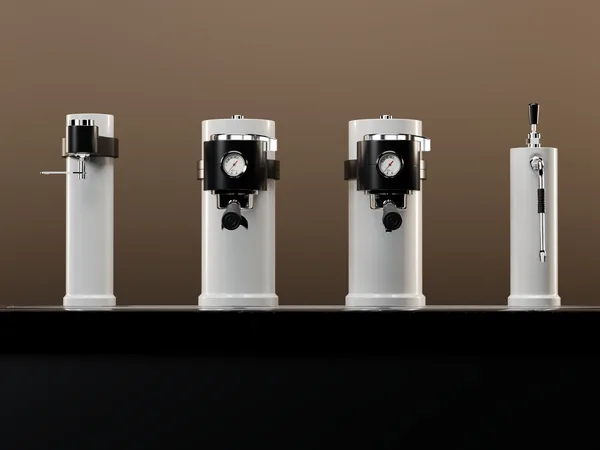
modular countertop coffee and Teapresso system
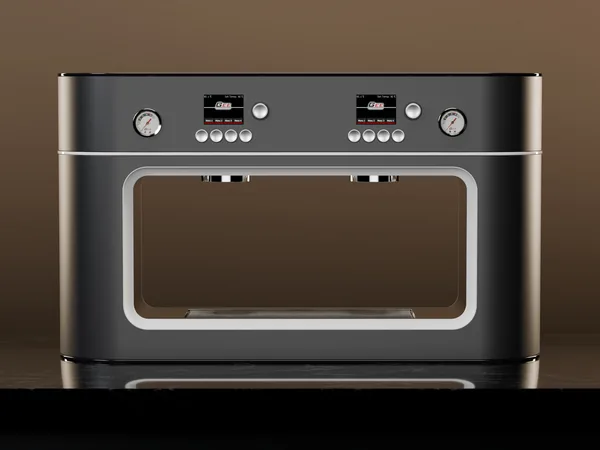
dual-system commercial espresso and Teapresso machine
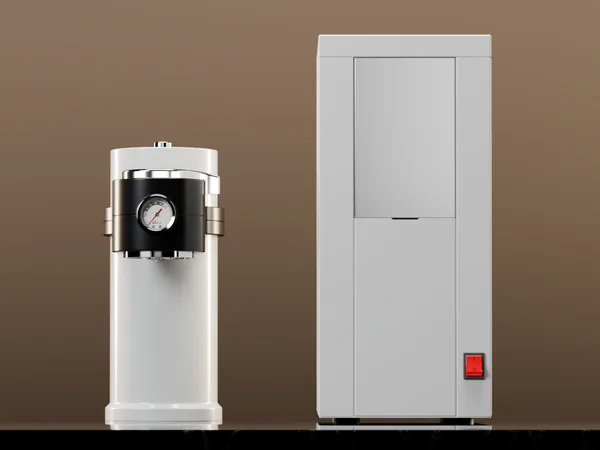
Teapresso pressure extraction unit