Pressure-extracted tea vs steeped tea
What a bubble tea shop should know before choosing a tea espresso machine or a commercial tea brewer
Tea is brewed one container at a time, and the tea made in the morning has lost its flavour by the afternoon. When the shop gets busy, the tea is poured off a few minutes late, so the drink a customer gets today does not taste like yesterday's. If your bubble tea shop or drink shop still brews tea in large batches, these problems are probably familiar.
In recent years more and more bubble tea and tea drink brands have moved to pressure-extracted tea (Teapresso), also described as pressure-brewed tea. The leaves are not left to sit in hot water. In a Teapresso machine, which some call a tea espresso machine, a pump puts the hot water under pressure, the same way an espresso machine extracts espresso, and pushes it quickly through the tea leaves, one cup at a time. This article starts from how a Teapresso machine works, compares the two methods, and helps you judge whether pressure extraction suits your bubble tea shop or tea shop. If you are looking for a bubble tea machine to brew the tea itself, these two methods are the choice in front of you.
Key points
- Steeping means leaving the tea leaves in hot water and waiting. Pressure extraction means using pressure to push hot water quickly through the leaves, one cup at a time. The tea from the two methods differs in strength, freshness and consistency.
- Bubble tea shops and tea shops that mainly sell milk tea, tea lattes and fruit tea gain the most from pressure-extracted tea. For shops that sell plain tea in volume, brewing tea in batches still works.
- A Teapresso machine, also called a tea espresso machine, is built the same way as an espresso machine, so one machine can make both tea and coffee.
1. How does a Teapresso machine work? Steeping and pressure extraction compared
Steeping (traditional brewing): The tea leaves go into hot water and time slowly draws the flavour compounds out. Usually a large container of tea is brewed at once and kept ready. Most batch tea brewers work on this principle too: the leaves steep in hot water and a large amount of tea is brewed at once. The advantages are that a lot of tea can be prepared in one go and the equipment is simple. The drawback is that the tea starts to oxidise as soon as it is brewed, and the longer it stands the more aroma it loses. A small difference in steeping time or water temperature also changes the taste of the whole batch.
Pressure extraction (Teapresso): A Teapresso machine works on the same principle as an espresso machine, which is why it is also called a tea espresso machine. A pump puts hot water under pressure so that it passes through the tea leaves in a short time and extracts the tea quickly. Because each cup is extracted to order, every cup is fresh, and strength and flavour are decided by the machine's settings, not by which member of staff brewed the tea today.
In simple terms, steeping trades time for flavour, and pressure extraction trades pressure for time. Both methods can make good tea. The difference is whether your shop needs a large volume at once or the same result in every cup.
2. How pressure-extracted tea and steeped tea differ in practice
Flavour and freshness: Steeped tea starts to change from the moment it is brewed. After the peak hours, unsold tea often leaves a hard choice: it is a waste to pour it away, but it has lost its flavour if you keep selling it. With fresh extraction, each cup is made when it is ordered, so the customer drinks tea that has just been extracted.
Strength and consistency: Pressure-extracted tea is stronger, which makes it suitable as the tea base for milk tea and tea lattes, because the tea flavour only holds up after milk is added if the tea is strong. Temperature and extraction mode can both be saved as settings, so the same recipe is reproduced in every cup. This is what chain bubble tea shops rely on to keep the taste the same across branches.
Astringency control: The longer tea steeps, the more easily it turns astringent. Pressure extraction takes little time. Both the GEE GCM-2109T Teapresso machine and the Pro Counter Top Twin have Peak Extraction Technology, which can shorten extraction time, raise concentration and lower astringency. The GCM-2109T, for example, completes a cup within 90 seconds at high temperature and high pressure.
Preparation and waste: With steeping you have to forecast sales and brew in advance. Brew too much and it is poured away. Brew too little and you run out of tea at peak hours. Fresh extraction has no batch to prepare, but making single cups means the Teapresso machine takes up a place on the counter, and the serving workflow has to be planned again.
Staff and training: Steeping depends on people watching the time and the water temperature, and the result differs a lot between an experienced hand and a beginner. Fresh extraction hands these to the Teapresso machine. Staff learn to load the tea leaves, lock in the portafilter and press the menu preset, so they get up to speed faster.
3. Steeped tea and pressure-extracted tea in one table
| Item | Steeping (brewing tea in batches) | Pressure extraction (Teapresso) |
|---|---|---|
| Method | Tea leaves sit in hot water for a period of time | Pressure pushes hot water quickly through the tea leaves |
| Typical equipment | Tea containers, a batch-type commercial tea brewer | A Teapresso machine (tea espresso machine) |
| How it is served | One large batch is brewed, then divided into cups | Extracted fresh, cup by cup |
| Tea | Normal strength | Stronger, suited to use as a tea base |
| Freshness | Falls the longer the tea stands | Every cup has just been extracted |
| Taste consistency | Depends on the person and the day | Decided by the machine's settings |
| Advance preparation | Sales have to be forecast | No tea needs to be prepared in advance |
| Suitable menu | Mainly plain tea, high volume | Milk tea, tea lattes, fruit tea and other items that need a strong tea base |
4. What kind of bubble tea shop should bring in pressure-extracted tea?
Not every shop should replace its tea containers straight away. You can assess it from three angles.
Menu structure: If your main sellers are items that need a strong tea base, such as milk tea, tea lattes and fruit tea, the advantage of pressure extraction is clearest. For shops that mainly sell plain tea at a low price and in high volume, brewing tea in batches may still be more economical.
Quality positioning: For brands that want to promote "freshly extracted" and "fresh by the cup", or that position themselves as specialty tea, fresh extraction is itself the selling point, and customers can see the extraction on the counter.
Whether coffee and tea should come from one machine: Many shops do not think of this. A Teapresso machine has the same structure as an espresso machine, so on the GEE Pro Counter Top series the same 58mm group head makes espresso, pour-over coffee and Teapresso just by changing the portafilter. A café that wants to add tea drinks, or a tea shop that wants to add coffee, does not need to buy a machine for each.
Many shops also use both: fresh extraction for the main items to protect quality, and steeping for plain tea to cover volume. It is not a choice of one or the other. The question is which items are worth extracting fresh. In other words, a Teapresso machine can sit in the same shop as the tea containers or the commercial tea brewer already there, each making its own items.
5. Three common misconceptions about pressure-extracted tea
Misunderstanding 1: Pressure-extracted tea is always bitter and astringent. Astringency mainly comes from an extraction that runs too long. Pressure extraction is short, and temperature and extraction mode can be set for each type of tea, so astringency is in fact easier to keep under control.
Misunderstanding 2: Making drinks one cup at a time cannot keep up at peak hours. The speed of single-cup production depends on the design of the machine and the workflow at the counter. Stores that need to make two cups at the same time can choose a Teapresso machine with independent left and right systems. Fresh extraction also removes the time spent brewing tea, straining it and changing containers, so the total labour is not necessarily higher.
Misunderstanding 3: A Teapresso machine can only make strong tea. What the machine extracts is tea concentrate. At the counter, water, ice, milk or juice is added to suit the drink. Hot and iced plain tea, milk tea, tea lattes and fruit tea all come from the same tea.
6. How to choose a tea espresso machine: what to look for in the equipment
When a bubble tea shop or tea shop chooses a Teapresso machine, several specifications are worth checking:
- Temperature control: Tea is more sensitive to temperature than coffee, and different teas suit different temperatures. PID temperature control keeps the water temperature stable. GEE machines offer 3 extraction modes and 4 presets, so black tea, green tea and a fruit tea base can each have their own.
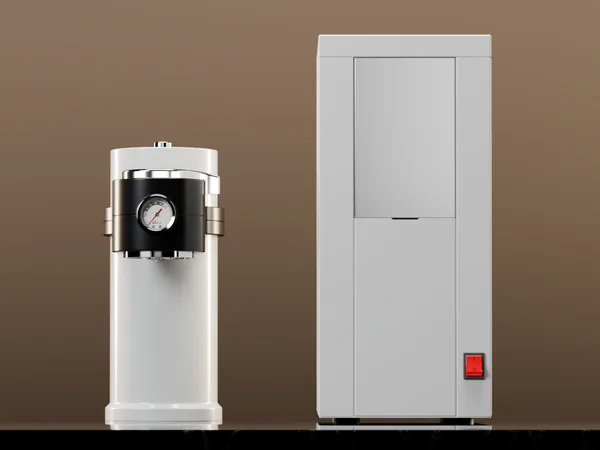
- Boiler and pre-heating design: Does the temperature drop when cups are made back to back? The control box of the GCM-2109T contains a 750W, 1000cc pre-heating boiler, and the boiler is 304 stainless steel.
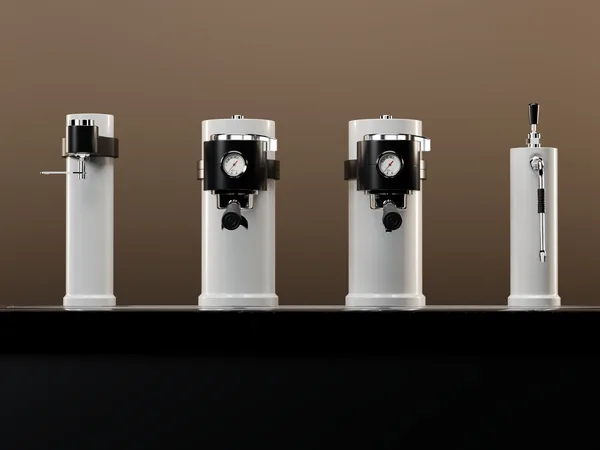
- Counter space: On a countertop model such as the Pro Counter Top System, the control box and boiler are installed below the counter and only the main unit (283 × 160 × 350 mm) stays on top, so it fits on a small counter too.
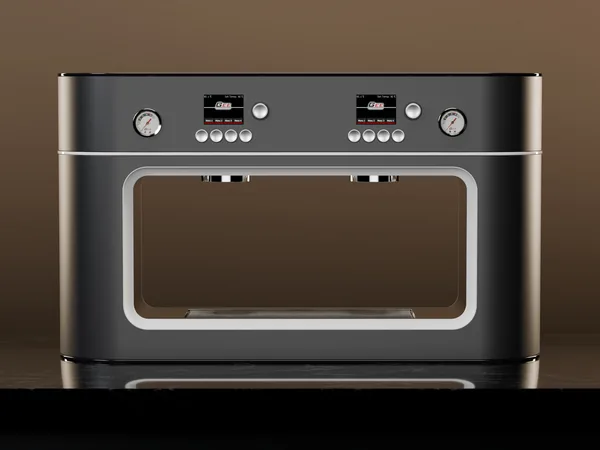
- Output: For stores that need two cups at the same time at peak hours, look at the Pro Counter Top Twin, whose left and right systems are fully independent. Each side has its own boiler and its own settings.
- Cleaning and maintenance: Tea extraction leaves residue on the group head and portafilter. Check whether the machine has a backflush function and whether consumables are easy to get.
7. Three things you can do before bringing in pressure-extracted tea
- List the menu items that need a strong tea base and work out their share of your turnover. The higher the share, the more fresh extraction is worth it.
- Bring your own tea leaves and try a machine. Make the same milk tea from the same tea leaves by steeping and by pressure extraction and compare the two directly. This tells you more than any specification sheet.
- Measure the counter. Confirm the width and depth of the counter and the space below it, and where the 220–240V power supply and the water inlet point are.
FAQ
What is pressure brewed tea, and how does it taste different from steeped tea?
Pressure brewed tea, or pressure-extracted tea, is extracted one cup at a time as it is ordered. Freshly pressure-extracted tea is stronger and has a fresh aroma. Steeped tea oxidises and loses its flavour as it stands. The difference is clearest in milk tea and tea lattes.
How does a Teapresso machine work, and what does Teapresso mean?
Teapresso is pressure-extracted tea, also called tea concentrate or tea espresso. A Teapresso machine uses the pressure extraction method of an espresso machine to produce concentrated tea, which is then made into all kinds of tea drinks.
Which teas suit a Teapresso machine?
Black tea and green tea both work, and the machine can also make the tea base for fruit tea, milk tea and tea lattes. Temperature and extraction mode can be set for each tea and saved as menu presets.
Are a Teapresso machine and a commercial tea brewer the same thing?
No. A Teapresso machine, also called a tea espresso machine, uses pressure to extract tea fresh, cup by cup. A batch tea brewer works by steeping and brews a large amount of tea at once. The two work on different principles.
Can the same Teapresso machine make coffee?
Yes. The GEE Pro Counter Top Twin and Pro Counter Top System can both make espresso, pour-over coffee and pressure-extracted tea on the same machine. You can choose a tea portafilter or a coffee portafilter when ordering.
Can a bubble tea shop that brews tea in batches start with one Teapresso machine as a trial?
Yes. Many shops first move a few items such as milk tea and tea lattes to fresh extraction and keep plain tea as it was. Once the workflow runs smoothly, they adjust the proportion.
In short
Neither steeping nor pressure extraction is simply better. The difference is what your shop wants to give its customers. If you want large volumes of tea prepared at low cost, steeping still works. If you want fresh single cups, stable strength and the same taste in every branch, pressure extraction is where equipment for bubble tea shops and tea shops has been heading in recent years.
GEE is a manufacturer of coffee machines and Teapresso machines (RiConn Precision Technology, founded in 2007, with development and manufacturing in Taiwan). The Pro Counter Top Twin, the Pro Counter Top System and the GCM-2109T Teapresso machine all support pressure-extracted tea. See the product pages for specifications, or contact us directly, whether you run a drink shop, a tea shop or a café, and tell us your menu and output needs. We will help you assess which Teapresso machine fits.
Related models
commercial Teapresso and espresso machine with independent left and right systems
modular countertop coffee and Teapresso system
Teapresso unit with a pre-heating boiler inside the control box